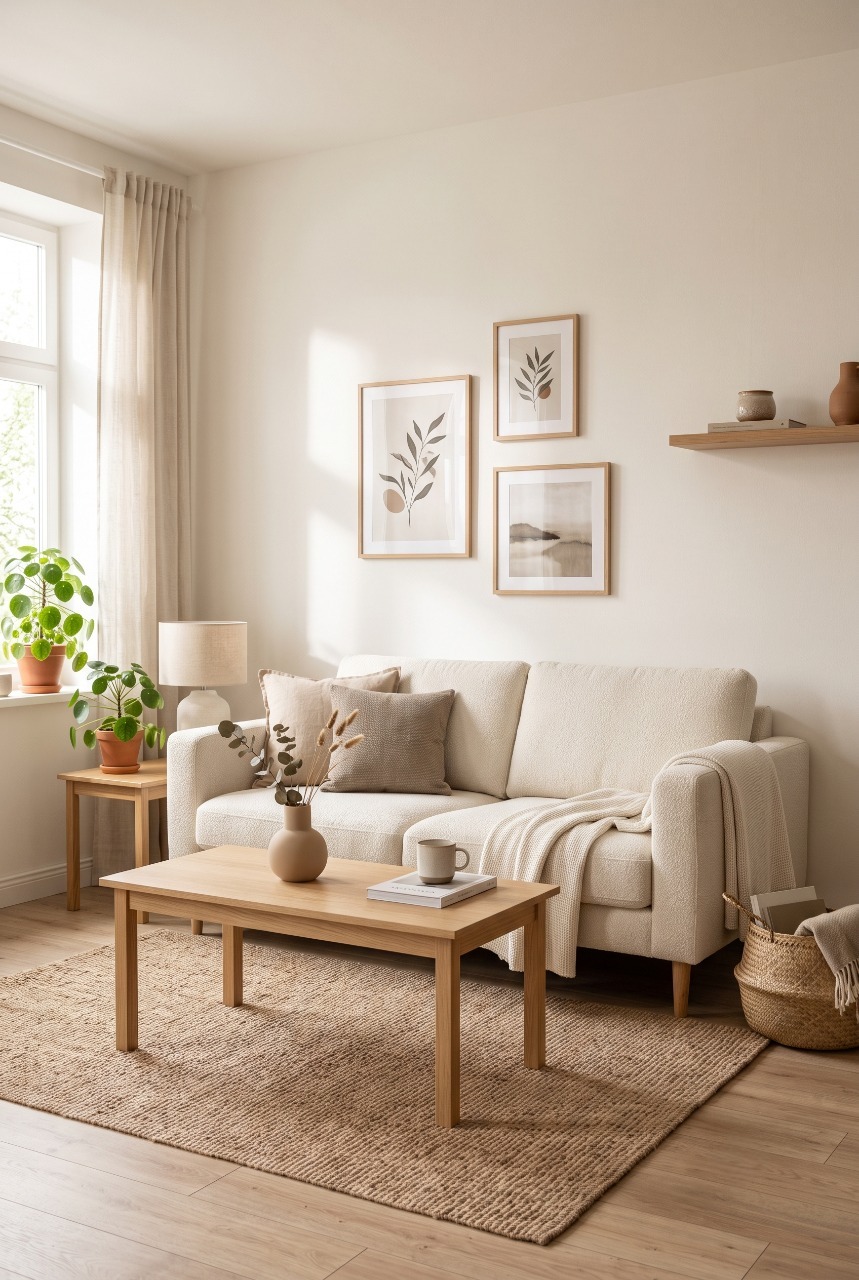
1. Start with a simple color palette
Choose a small number of complementary colors for the main areas of your home.
Neutral colors provide a calm foundation and allow selected decorative pieces to stand out.
2. Choose fewer, better pieces
Instead of filling every empty surface, choose objects that are useful, beautiful, or meaningful to you.
This creates a cleaner visual environment without making your home feel empty.
3. Mix materials and textures
Minimalist spaces can become flat when everything looks identical.
Wood, ceramic, linen, glass, metal, and natural fibers can add visual interest while keeping the overall design simple.
4. Leave some empty space
Negative space is an important part of minimalist design.
Allowing some surfaces and areas to remain open can make the entire room feel more intentional.
Shop the Look
Products We Love
A few carefully selected products that can help you create a similar look or make your space more functional.
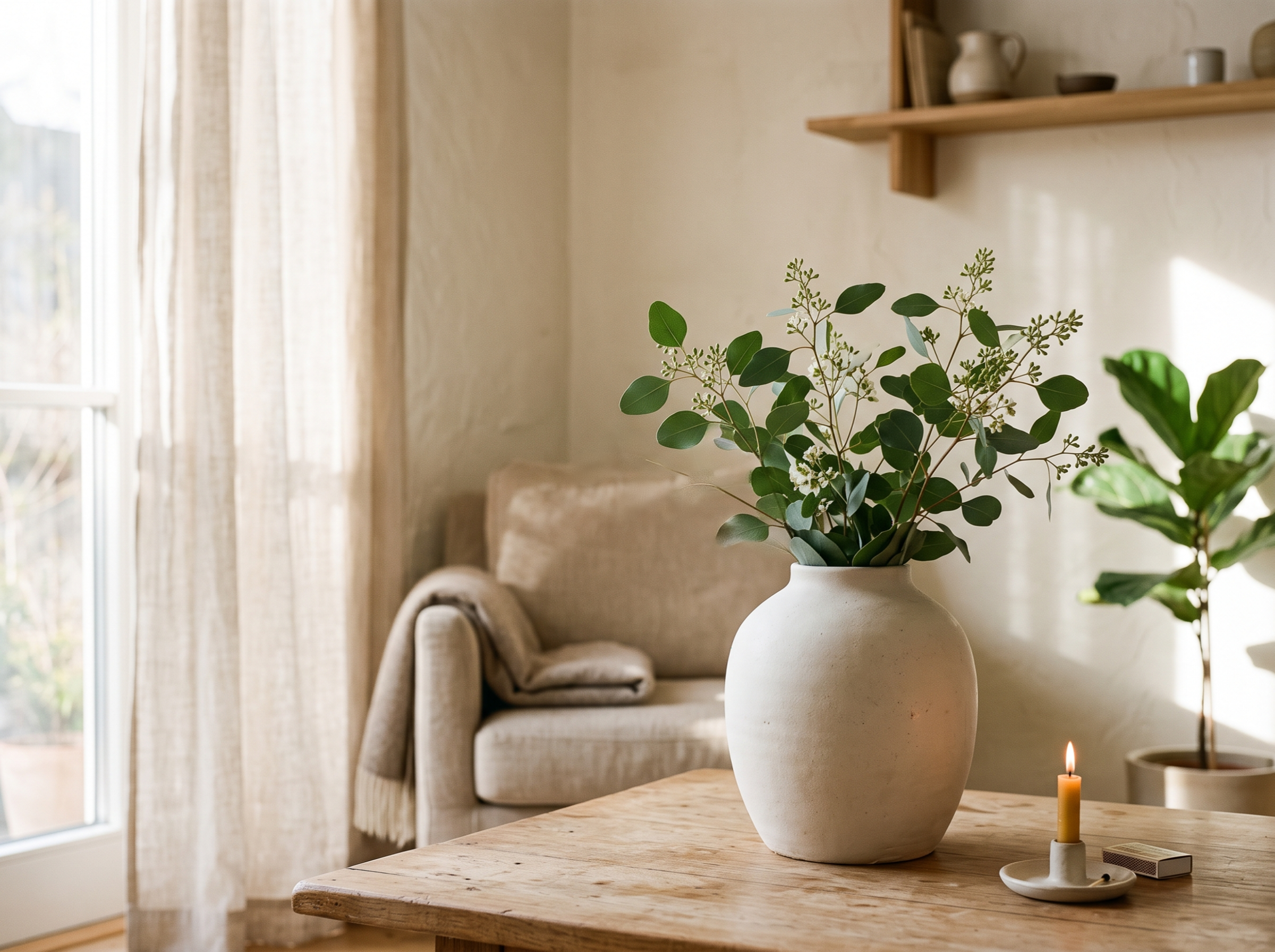
Minimalist Ceramic Vase
A simple ceramic vase that adds a calm, modern touch to shelves, tables, and bedside spaces.
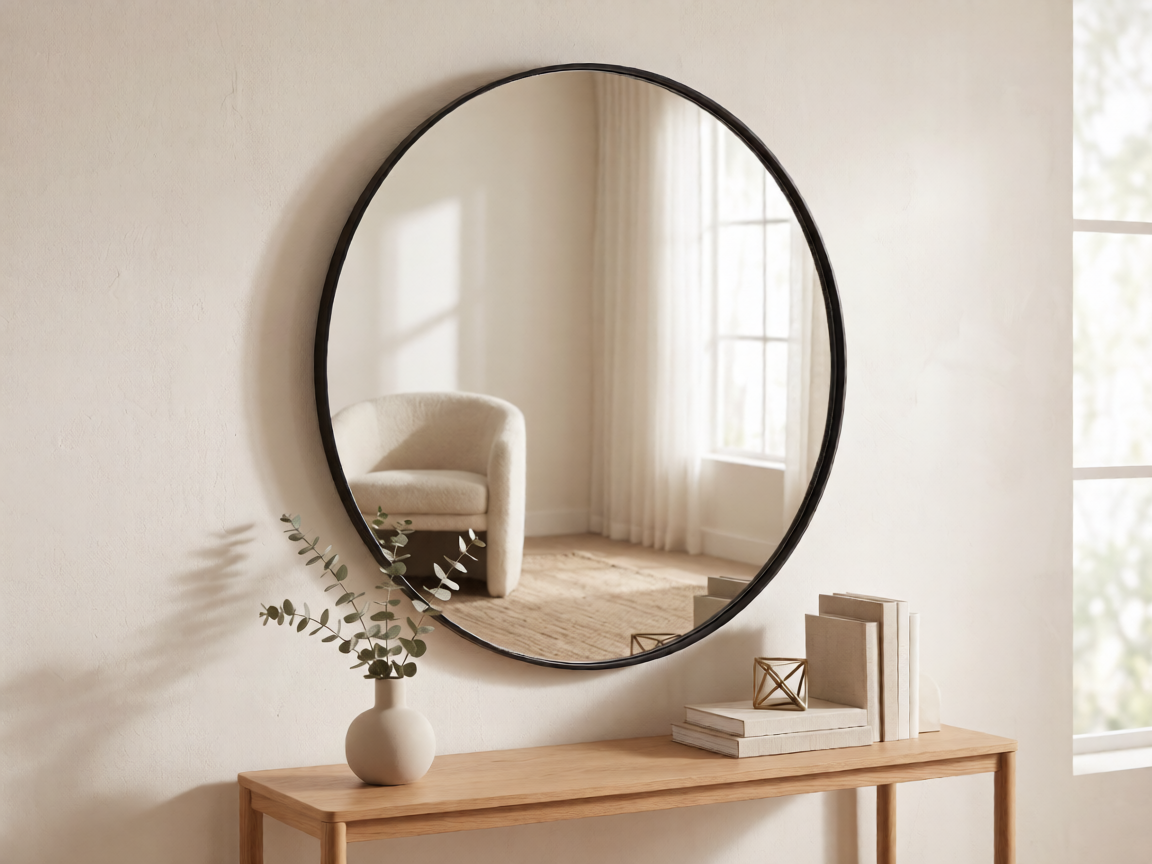
Decorative Wall Mirror
A decorative wall mirror that can make smaller spaces feel brighter, larger, and more refined.
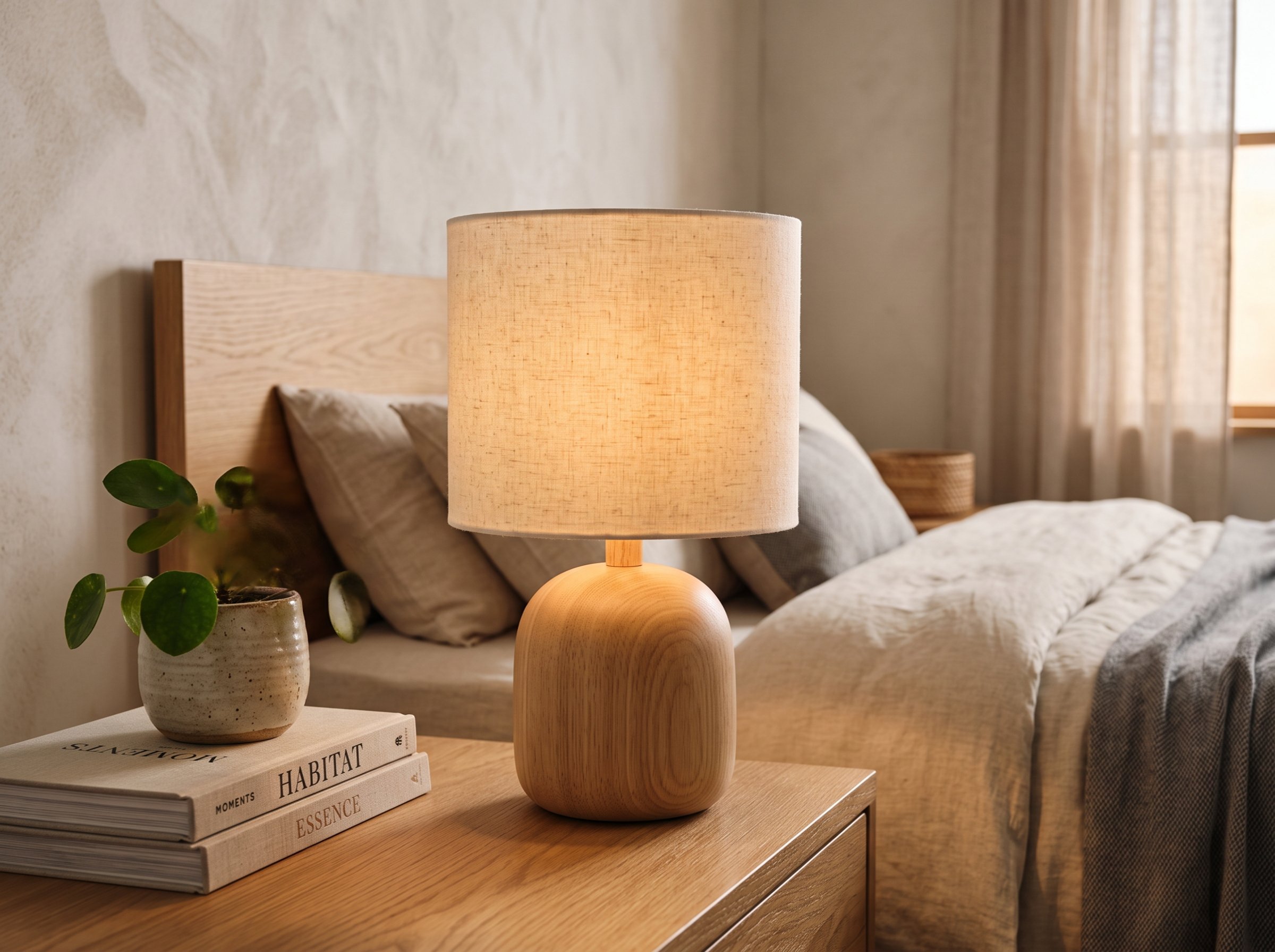
Decorative Table Lamp
A warm decorative lamp designed to create a cozy atmosphere in bedrooms, living rooms, and reading corners.
Some product links on Home & Haven may be affiliate links. We may earn a small commission if you purchase through them, at no additional cost to you.
Home & Haven
Looking for more products to complete the look?
Explore our carefully selected home finds for practical and beautiful additions to your space.
Explore Our Best Picks →This website may contain affiliate links. If you purchase through one of our links, we may earn a small commission at no additional cost to you.